Who does what
- Shipper: the party sending the goods, usually the factory or exporter.
- Freight forwarder: books space, arranges trucking and paperwork. Think of it as your travel agent for cargo.
- Carrier: the shipping line that owns the vessel.
- Consignee: you, or whoever receives the goods.
Incoterms
Incoterms decide where the seller's job ends and yours begins. The four you will meet most often:
| Term | What it means for you |
|---|---|
| EXW | You collect from the factory door. You handle everything, including Chinese export clearance. |
| FOB | The factory delivers the goods onto the vessel at the Chinese port. Freight, insurance and import are yours. |
| CIF | The seller pays freight and insurance to your port. Unloading and import are yours. |
| DDP | The seller delivers to your door with import duty and taxes paid. Simplest for you, least visible on cost. |
LCL or a full container
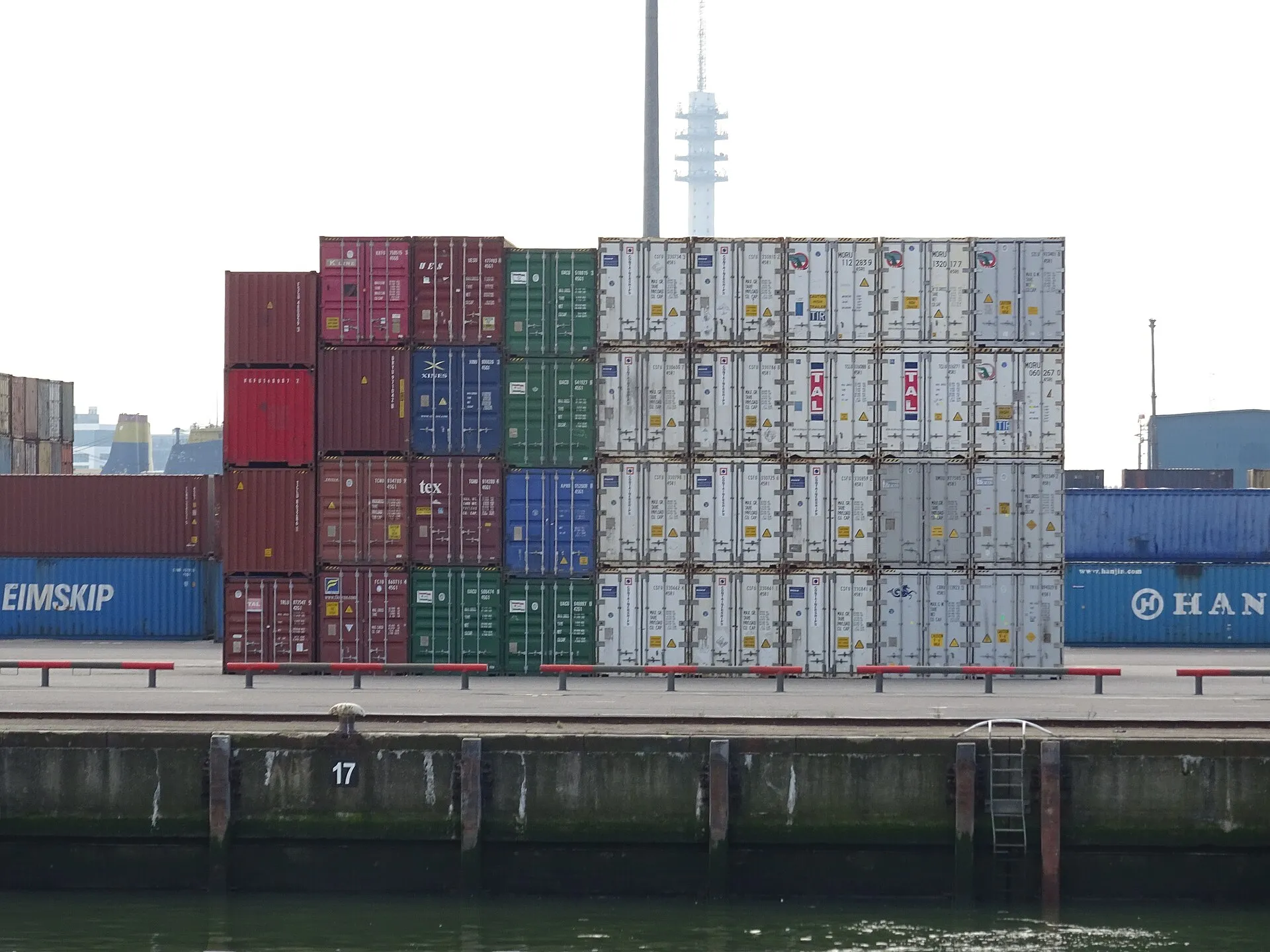
LCL, less than container load, means your cartons share a container with other people's. You pay by the cubic metre, plus handling at both ends. FCL, full container load, means a container of your own. Below roughly 15 cubic metres LCL usually wins; above that, a 20-foot container often costs less per piece, and a 40-foot high-cube takes about 68 cubic metres of cartons. Work out your volume with the order calculator.
The paperwork
- Commercial invoice: what was sold, to whom, at what price. Customs duty is calculated from it.
- Packing list: cartons, contents, weights and dimensions.
- Bill of lading: the carrier's receipt for the goods and, in its original form, the title to them.
Timing
Factories in China close for several weeks around Chinese New Year, and freight rates and space get tight before it. Book early for orders that have to arrive in spring.
Questions
What documents do I need?
At least a commercial invoice, a packing list and a bill of lading for sea freight. Some products and countries also need a certificate of origin or test reports.
Who books the ship?
A freight forwarder. On FOB terms you appoint your own forwarder; on CIF or DDP the seller does.