The eight steps
| Step | What happens |
|---|---|
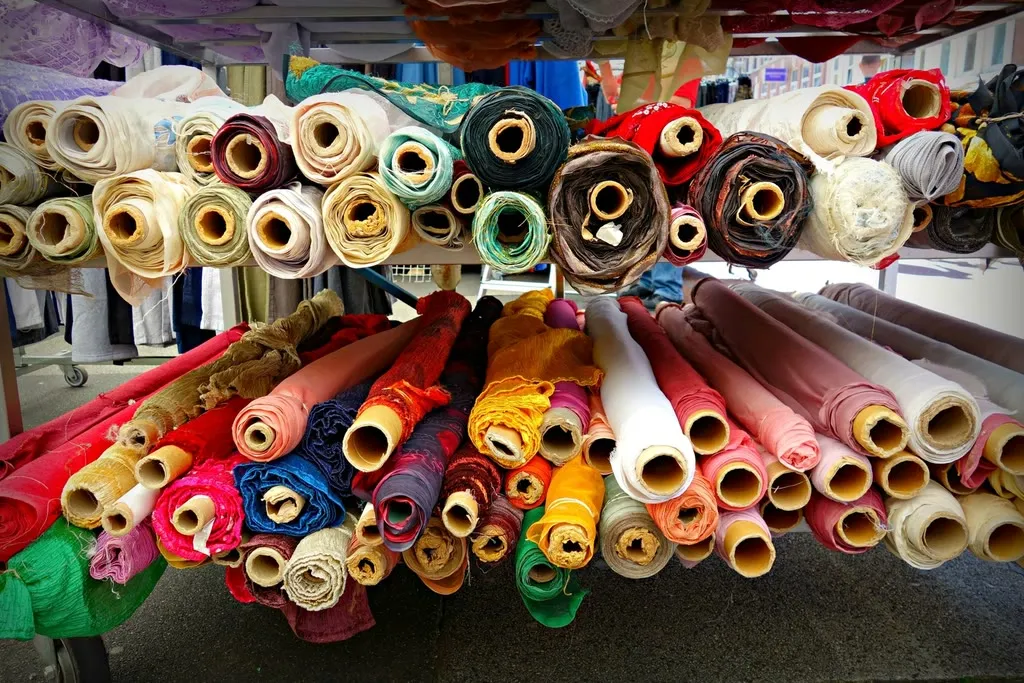
| Material sourcing | Fabric, filling, zips and trims are bought or taken from stock. Fabric decides most of the cost and the lead time. |
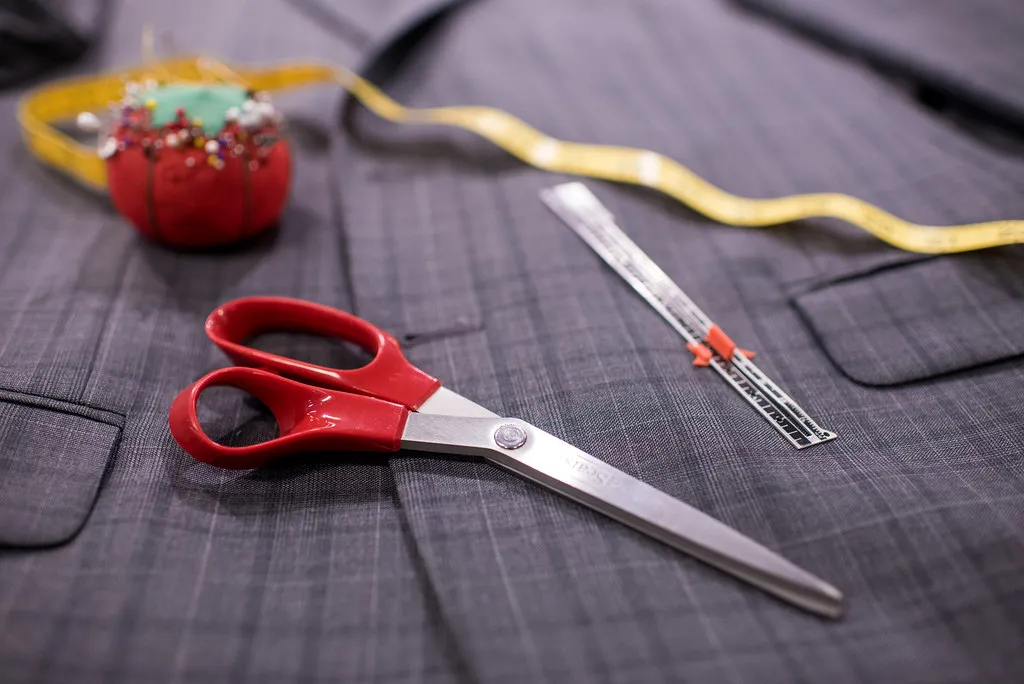
| Cutting | Patterns for each size are laid on stacked fabric and cut together. |
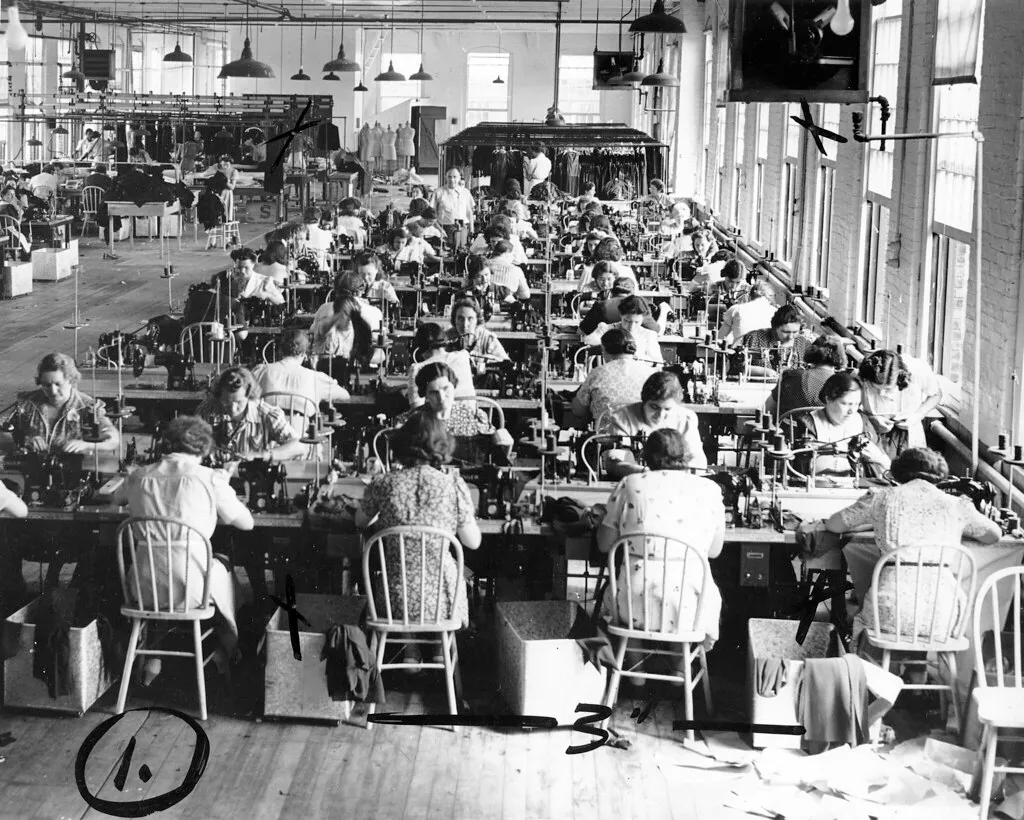
| Sewing | Panels are joined on the same machines used for people’s clothes: lockstitch, overlock and cover-stitch. |
| Tagging | Brand labels, size and care labels are sewn in. Your own labels need to reach the factory before this step. |
| Assembly | Beds get their filling, carriers their frames, jackets their zips and buttons. |
| Quality check | Line checks for loose threads, open seams and wrong sizes. |
| Compressing | Beds and cushions are vacuum packed or compressed to cut shipping volume. |
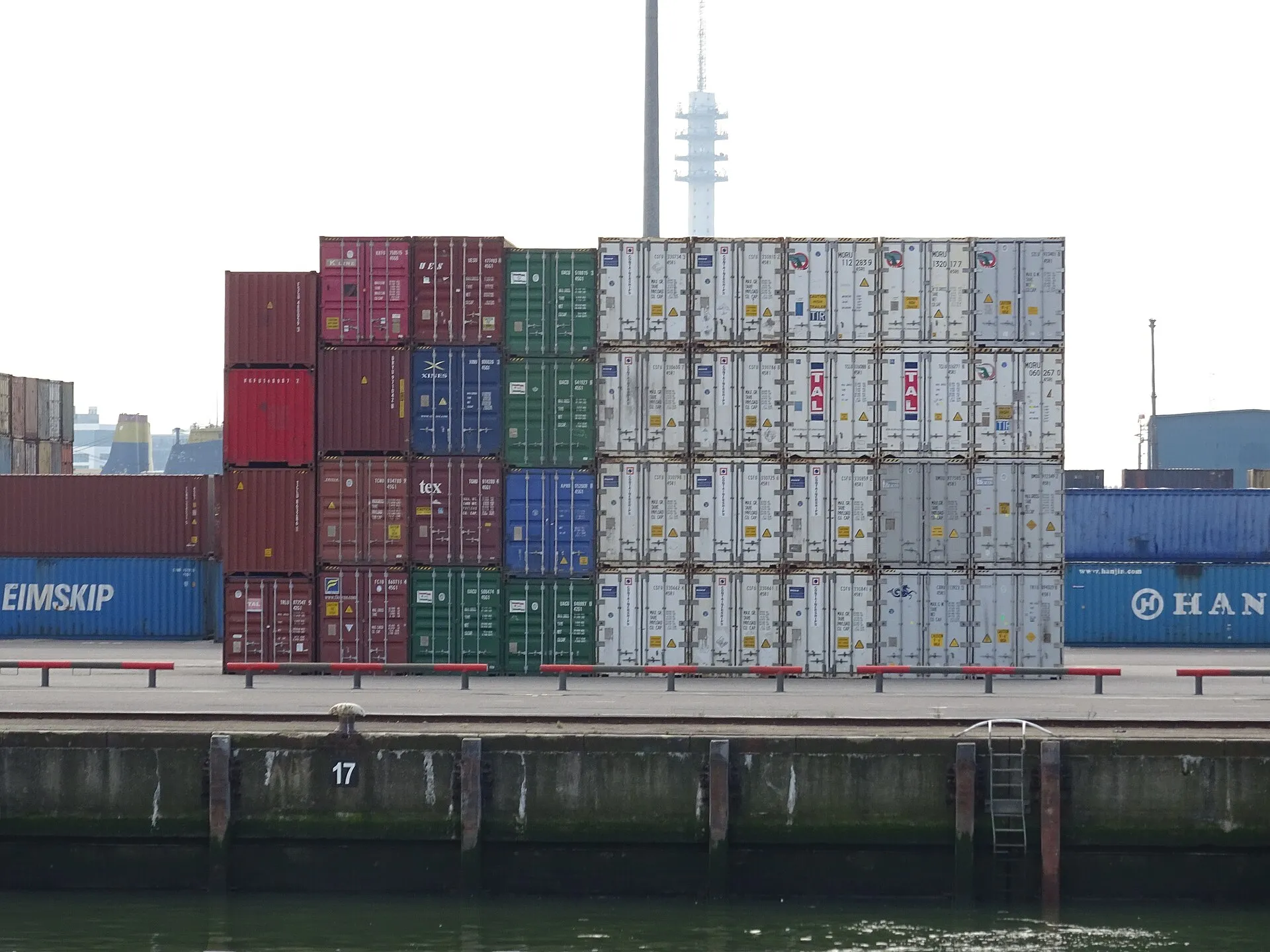
| Packing | Pieces are bagged, cartons filled and marked to the packing list. |
Where orders go wrong
- At sourcing: a fabric substitution nobody told you about. Ask for a swatch from the bulk roll.
- At cutting: size grading off by a centimetre, multiplied over thousands of pieces. Check the first finished pieces against your size chart.
- At tagging: labels arriving late from your printer and holding the whole line.
- At packing: carton marks that do not match the packing list, which slows customs.
Inspection points that catch these are in how inspection before shipping works.
Questions
Can I visit the factory?
Yes, and on a first order it is worth it, or send an agent or inspector to do it for you.
How much can compression save?
For soft beds and cushions it can cut the carton volume a great deal, often by half or more. Ask the factory for the packed carton size before you compare freight quotes.