1. Cash
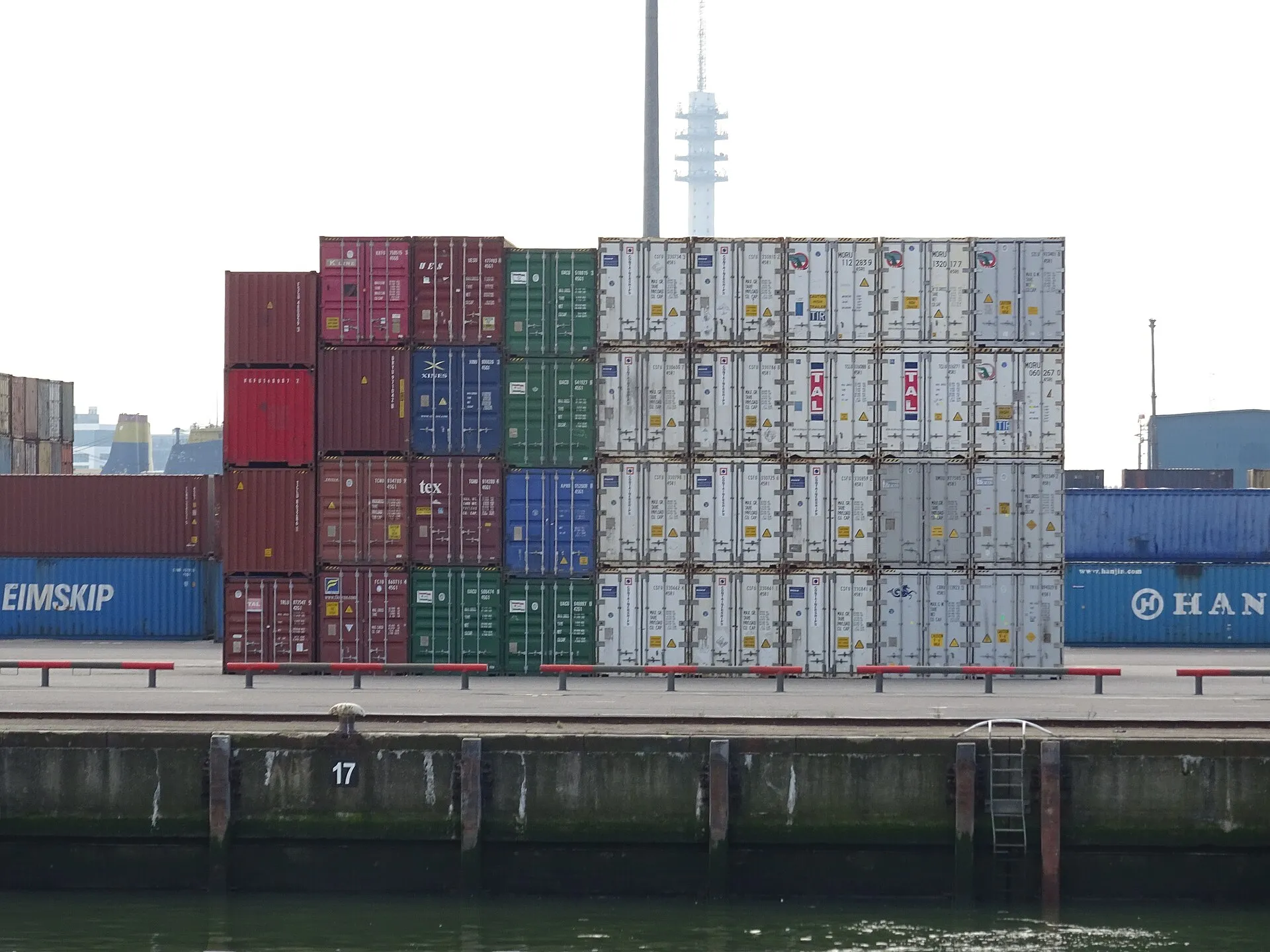
You pay a deposit months before you sell a single piece, and the balance before the goods leave China. Plan the cash for two orders in a row, not one.
2. Minimums
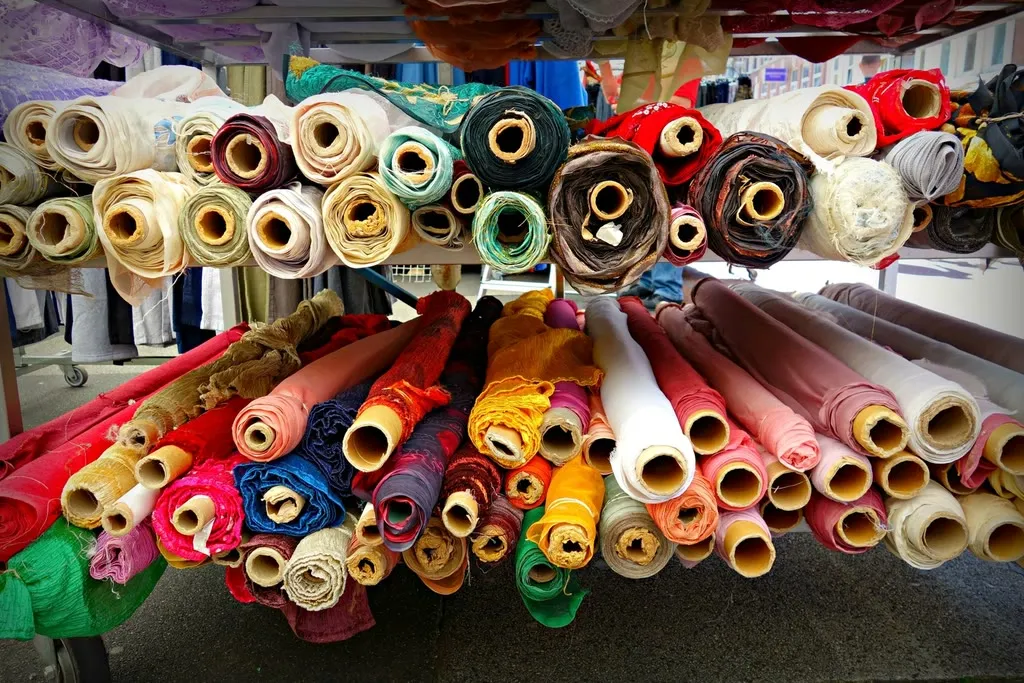
Factory minimums are set for the factory's line, not for your shelf. Negotiate fewer colours, use stock fabrics, or share a run with another buyer.
3. Seasons
Coats and beds sell in autumn and winter, cooling mats and life jackets in summer, costumes around Halloween and Christmas. With sea freight and Chinese New Year in the way, winter goods are ordered in spring.
4. Sizing and returns
Dog clothes that do not fit come back. Publish a clear measuring guide and keep sizes consistent from one order to the next.
5. Product rules
Textile labelling, chemical limits in some markets and safety rules for toys and accessories differ by country. Ask the supplier for test reports and check what your market requires before you order.
6. The supplier
Everything above is easier with a supplier who answers clearly and accepts inspection. Eight ways to choose one.
Questions
What is the biggest risk for a new pet shop importing directly?
Tying up cash in stock that sells slowly. Start with fewer styles and deeper stock in the ones you know sell, rather than many styles in small numbers.